
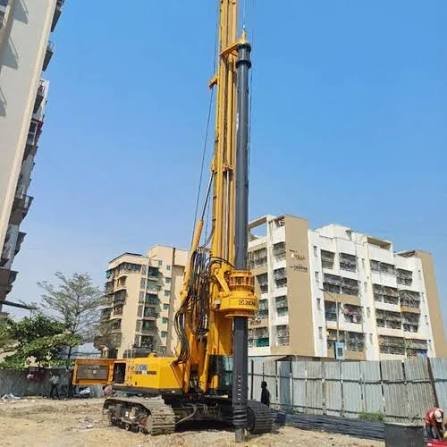
As a mechanical engineer with years of experience in heavy machinery and construction equipment, I have seen many technologies come and go. However, when it comes to creating deep foundations for large structures, the hydraulic rotary piling method stands out as a true game-changer. This technique has revolutionized how we approach foundation engineering, offering a blend of power, precision, and efficiency that older methods simply cannot match.
In this article, we will explore the core advantages of the hydraulic rotary piling method, detailing why it has become the preferred choice for complex construction projects worldwide. Whether you are dealing with challenging soil conditions or strict environmental regulations, understanding these benefits is crucial for any project manager or civil engineer.
Understanding the Hydraulic Rotary Piling Process
Before diving into the advantages, it is important to understand the mechanics behind the process. Hydraulic rotary piling involves using a massive, powerful machine called a rotary drilling rig. This rig uses hydraulic power to rotate a cutting tool, typically a robust hydraulic rotary auger, into the ground.
As the auger turns, it cuts through the soil and rock, bringing the excavated material to the surface. Once the desired depth is reached, steel reinforcement is lowered into the hole, and concrete is poured in to form a solid, cast-in-place pile. This method relies on immense torque and downward pressure, both provided by the machine’s advanced hydraulic systems.
Now, let us examine why this method is so highly regarded in the construction industry.
1. Exceptional Penetration Power and Torque
One of the primary reasons engineers favor hydraulic rotary piling is the sheer power these machines deliver. The hydraulic systems generate massive amounts of torque, allowing the drilling tools to cut through incredibly tough ground conditions.
Overcoming Hard Rock and Difficult Soils
Older piling methods, such as driven piles, often struggle when they encounter hard rock layers or dense, compacted soils. The constant pounding can damage the pile or simply fail to penetrate the hard layer. Hydraulic rotary rigs, however, can be equipped with specialized rock augers or core barrels. The high torque allows these tools to grind through solid rock, ensuring the foundation reaches the necessary depth and bearing capacity.
This ability to tackle various soil profiles, from loose sand to solid bedrock, makes rotary piling incredibly versatile and reliable for diverse project sites.
2. Unmatched Precision and Accuracy
In modern construction, especially in urban environments, precision is not just desired; it is required. Building large structures requires foundations that are perfectly aligned and structurally sound.
Verticality and Depth Control
Hydraulic rotary piling rigs are equipped with sophisticated electronic monitoring systems. These systems provide the operator with real-time data on the drill’s depth, vertical alignment, and rotation speed. This level of control ensures that the piles are installed exactly where they need to be and perfectly straight.
Maintaining strict verticality is critical. If a pile is even slightly angled, it can compromise the load-bearing capacity of the entire foundation. The precision offered by the rotary method minimizes the risk of structural failure and ensures the integrity of the building.
3. Reduced Environmental Impact
Construction projects, particularly in populated areas, face strict regulations regarding noise and vibration. This is where the hydraulic rotary piling method truly outshines older techniques.
Minimal Noise and Vibration
Traditional pile driving involves repeatedly striking a pile with a massive hammer. This process creates deafening noise and intense ground vibrations. These vibrations can disturb nearby residents, damage adjacent older buildings, and disrupt sensitive underground utilities.
Rotary drilling, by contrast, is a cutting process rather than an impact process. The hydraulic motors operate relatively quietly, and the drilling action produces significantly less vibration. This makes the hydraulic rotary method ideal for urban construction, projects near hospitals or schools, and sites surrounded by historical structures.
4. Increased Speed and Efficiency
Time is money in the construction industry. Any method that can speed up the foundation phase without sacrificing quality is highly valued.
Faster Excavation Rates
The combination of high hydraulic torque and advanced cutting tools allows for rapid excavation. Rotary rigs can drill large-diameter holes quickly, significantly reducing the time required to complete the piling phase of a project.
Furthermore, the process of extracting the soil and pouring the concrete is streamlined. The efficiency of the hydraulic rotary auger in removing spoil means less downtime for cleaning the hole, allowing the concrete pouring to begin sooner. This overall speed translates to shorter project timelines and reduced labor costs.
5. Versatility in Pile Design
Different structures require different types of foundations. The hydraulic rotary method offers the flexibility to create various pile designs to meet specific engineering requirements.
Adapting to Load Requirements
With rotary piling, engineers can easily adjust the diameter and depth of the piles based on the load-bearing calculations. This method can create large-diameter piles capable of supporting massive loads, which is essential for skyscrapers, bridges, and heavy industrial facilities.
Additionally, if a project requires under-reamed piles, where the base of the pile is widened to increase its bearing capacity, rotary rigs can accommodate this using specialized belling buckets. This adaptability ensures that the foundation is perfectly tailored to the specific needs of the structure.
6. Improved Safety on the Construction Site
Safety is always the top priority on any job site. The design and operation of hydraulic rotary piling rigs contribute to a safer working environment.
Reduced Manual Labor and Handling
Because the machine handles the heavy lifting, drilling, and spoil removal, there is less need for manual labor in dangerous proximity to the excavation. The operators control the rig from a secure, protected cabin, shielding them from potential hazards.
Furthermore, the reduction in noise and vibration not only benefits the surrounding area but also protects the workers on site from hearing damage and vibration-related health issues.
7. Quality Control and Structural Integrity
The ultimate goal of any foundation method is to create a solid, reliable support for the structure above. The hydraulic rotary method provides excellent quality control throughout the process.
Cast-in-Place Reliability
Because the pile is cast in place, engineers can visually inspect the excavated hole before the concrete is poured. This allows them to verify the soil conditions at the base and ensure the hole is clean and free of debris.
The continuous pouring of concrete into the drilled shaft ensures a solid, uniform pile without the joints or potential damage that can occur when driving pre-cast piles into the ground. This results in a foundation with high structural integrity and longevity.
Key Considerations When Choosing Rotary Piling
While the advantages are significant, it is important to acknowledge that the hydraulic rotary piling method requires careful planning and expertise.
- Site Access: These rigs are large and require adequate space to maneuver and operate. Site access and ground stability must be evaluated before mobilization.
- Spoil Management: The drilling process brings a large volume of excavated soil to the surface. A clear plan for handling and disposing of this spoil is essential to keep the site organized and safe.
- Operator Skill: Operating a complex hydraulic rotary rig requires specialized training and experience. The precision and efficiency of the method depend heavily on the skill of the operator.
Conclusion
From a mechanical engineering perspective, the hydraulic rotary piling method represents a significant advancement in foundation technology. Its ability to deliver massive torque, maintain strict precision, operate quietly, and adapt to complex soil conditions makes it an invaluable tool for modern construction.
By utilizing powerful equipment like a high-quality hydraulic rotary auger, contractors can ensure their foundation projects are completed efficiently, safely, and to the highest standards of structural integrity. As buildings continue to grow taller and infrastructure projects become more complex, the reliance on hydraulic rotary piling will undoubtedly continue to increase. It is a proven, reliable method that forms the literal foundation of our modern built environment.